The Art of the Perfect Bond: Achieving Surface Planarity in Mobile Windshield Replacement
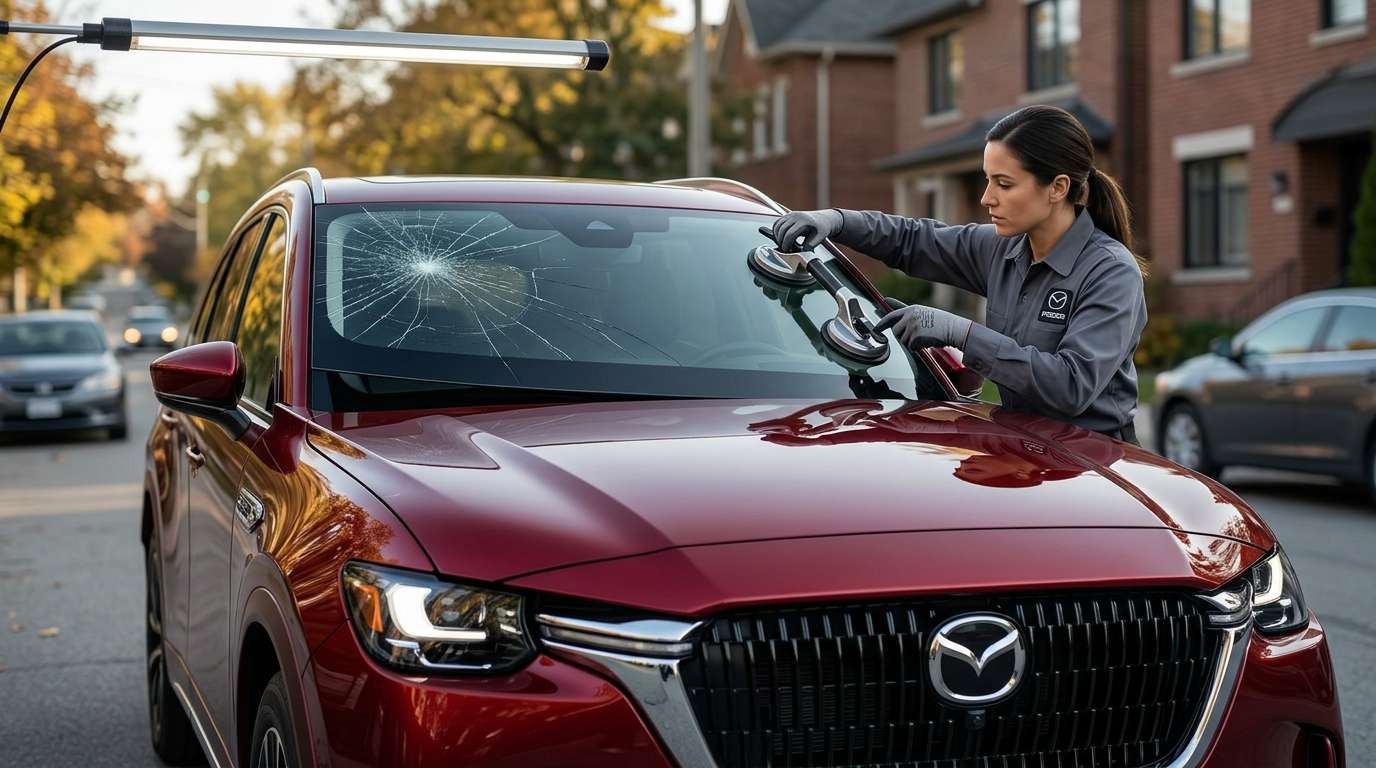
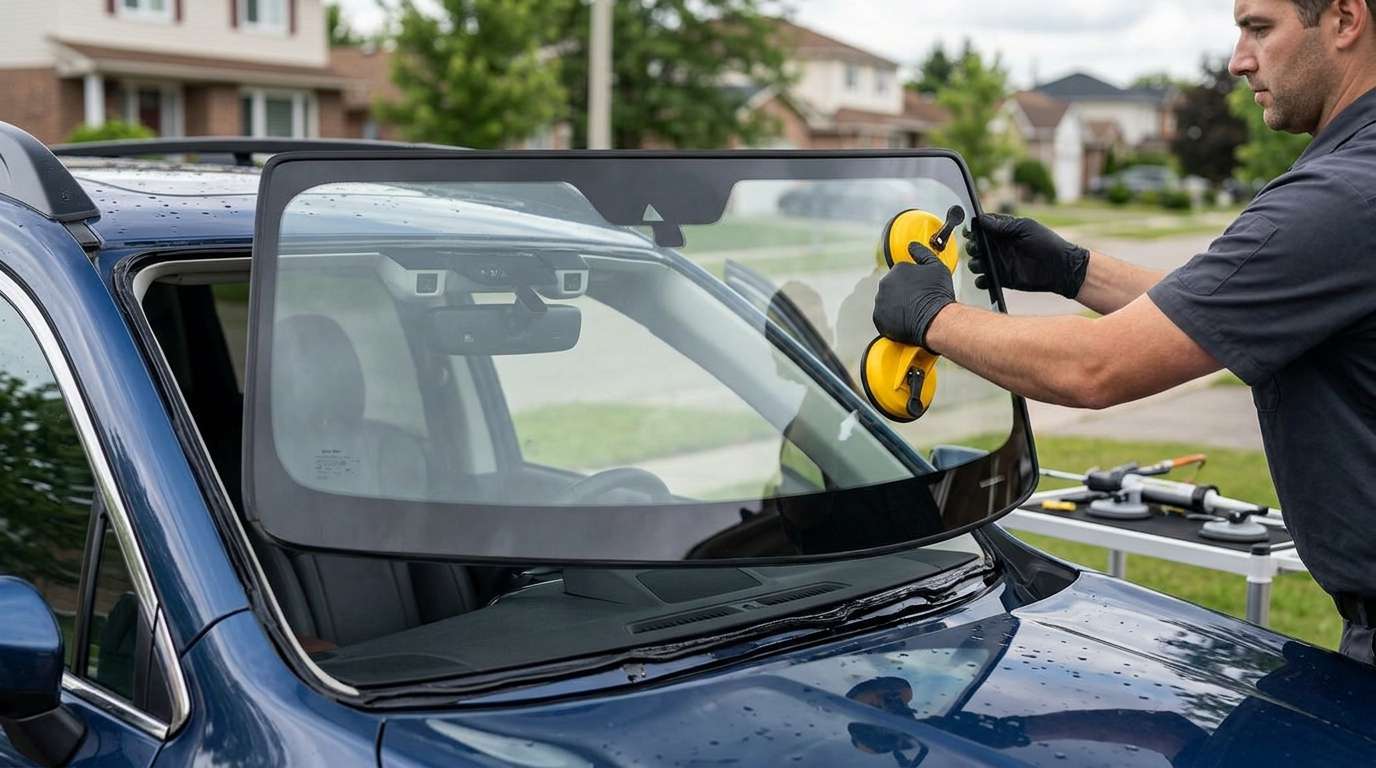
When most vehicle owners think of a windshield replacement Toronto service, they imagine a simple swap: take the old glass out, put the new glass in. However, at AlexWindshield, we know that the true quality of the installation lies hidden beneath the glass. It is all about the science of "surface planarity"—creating a perfectly level foundation on your vehicle’s pinch weld.
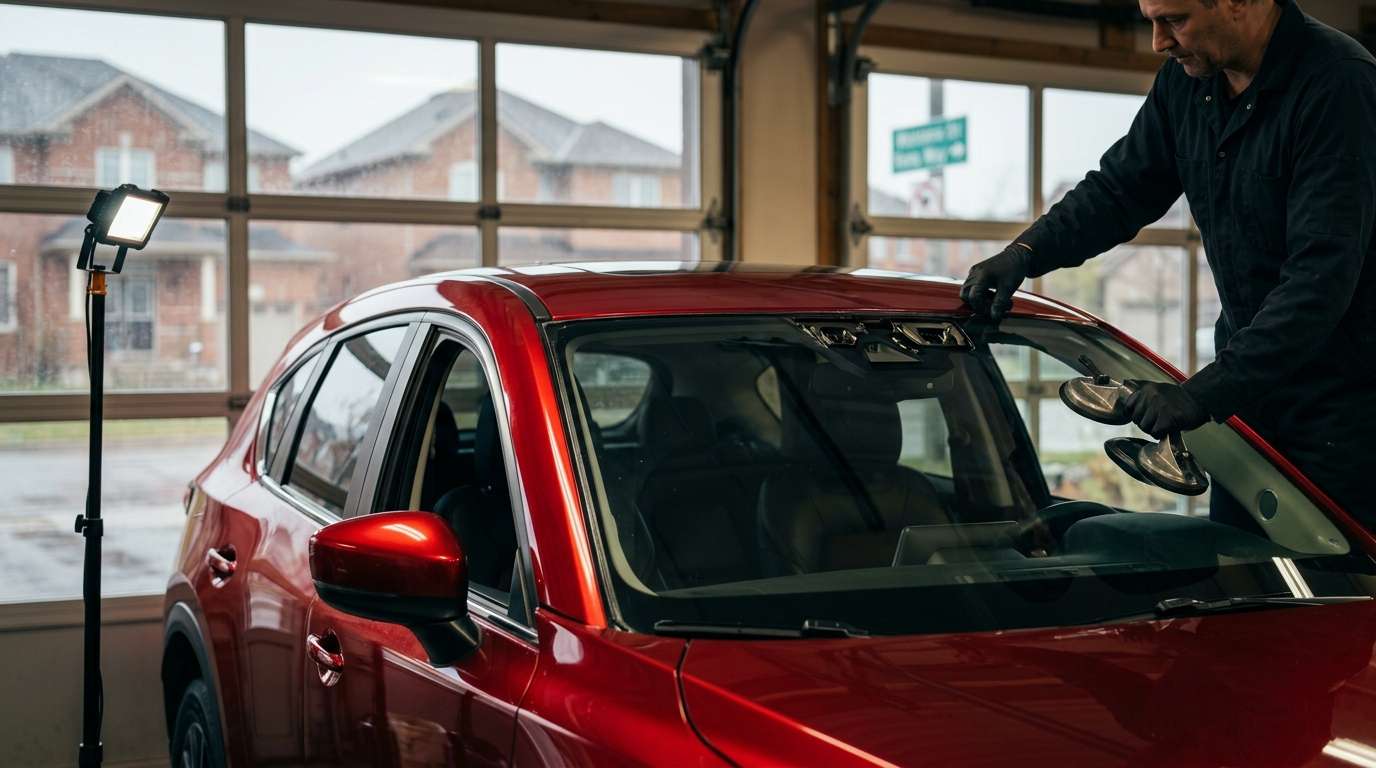
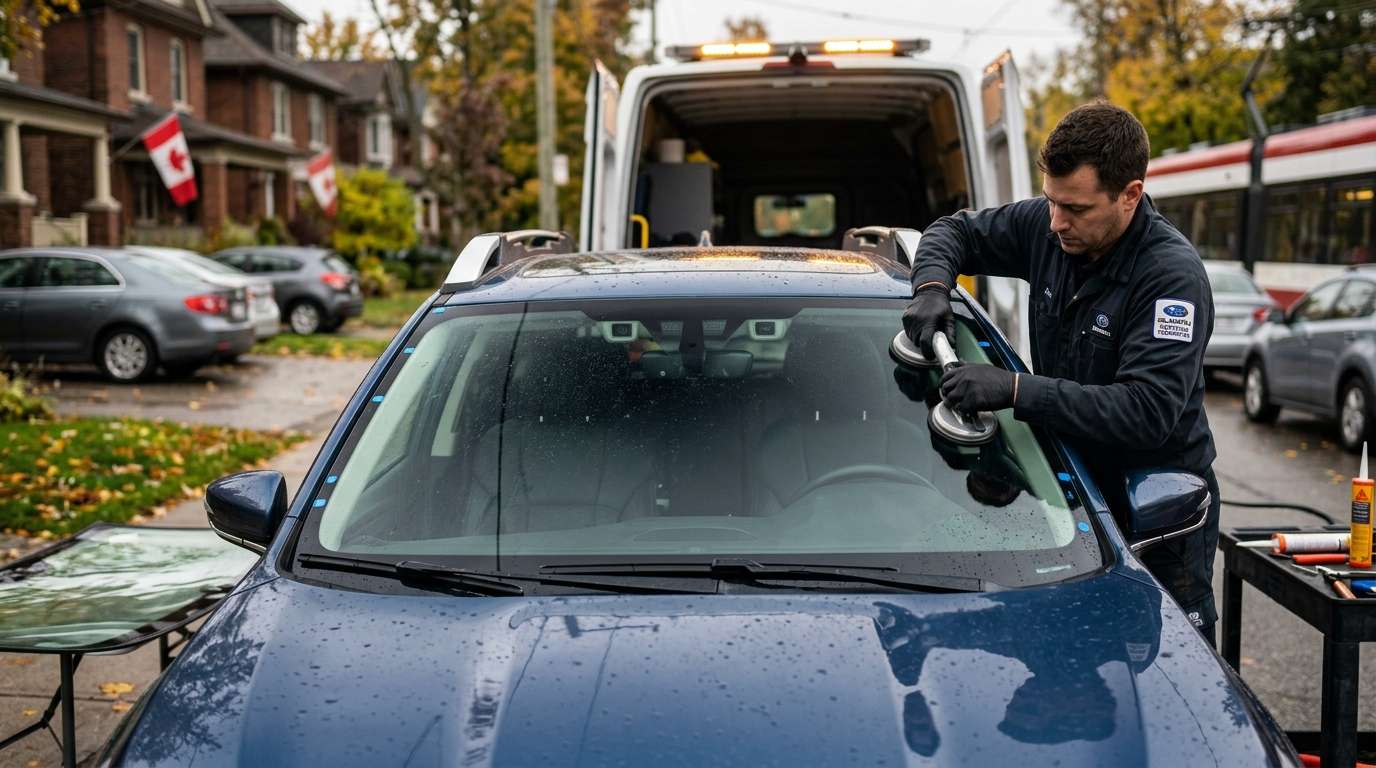
Whether we are performing a mobile service in your driveway or at our shop, our technicians utilize advanced cold knife and wire cut-out techniques. This ensures that the primer application is flat and the urethane bead seals perfectly, guaranteeing structural integrity and leak-proof performance.
Understanding the Pinch Weld: The Foundation of Safety
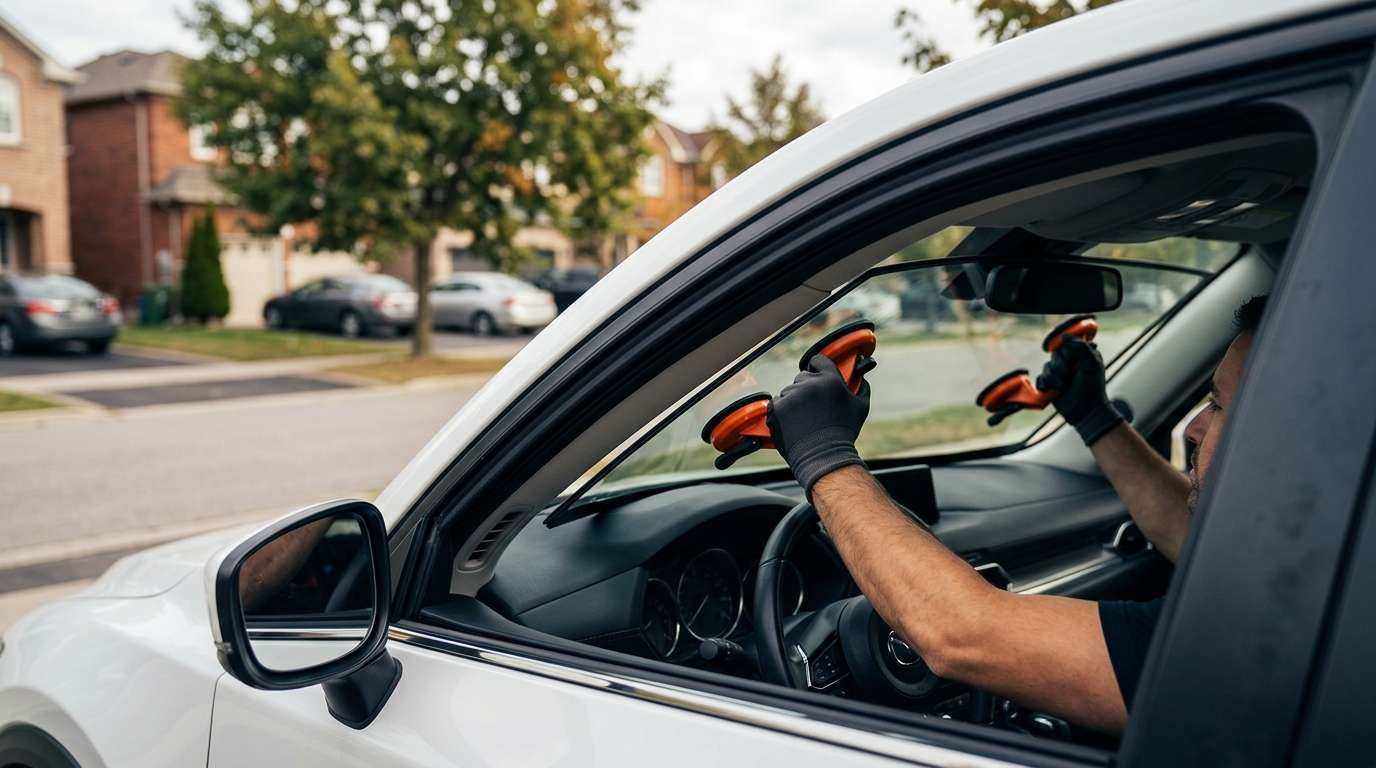
The pinch weld is the metal frame where your windshield sits. During an auto glass repair or replacement, the most critical step is removing the old glass without damaging this frame or the surrounding molding. If the remaining surface is uneven, the new glass will not sit flush.
At AlexWindshield, we focus on leveling the pinch weld. This involves trimming the old urethane down to a precise, thin layer (approximately 1-2mm) that is perfectly flat. This "bed" allows the new adhesive to bond chemically and mechanically, ensuring the glass stays exactly where it belongs in the event of a collision.
Precision Tools: Cold Knife vs. Wire Cut-Outs
Achieving a level surface requires navigating obstacles like cowl clips and glass run channels without causing damage. We employ specific tools for specific scenarios:
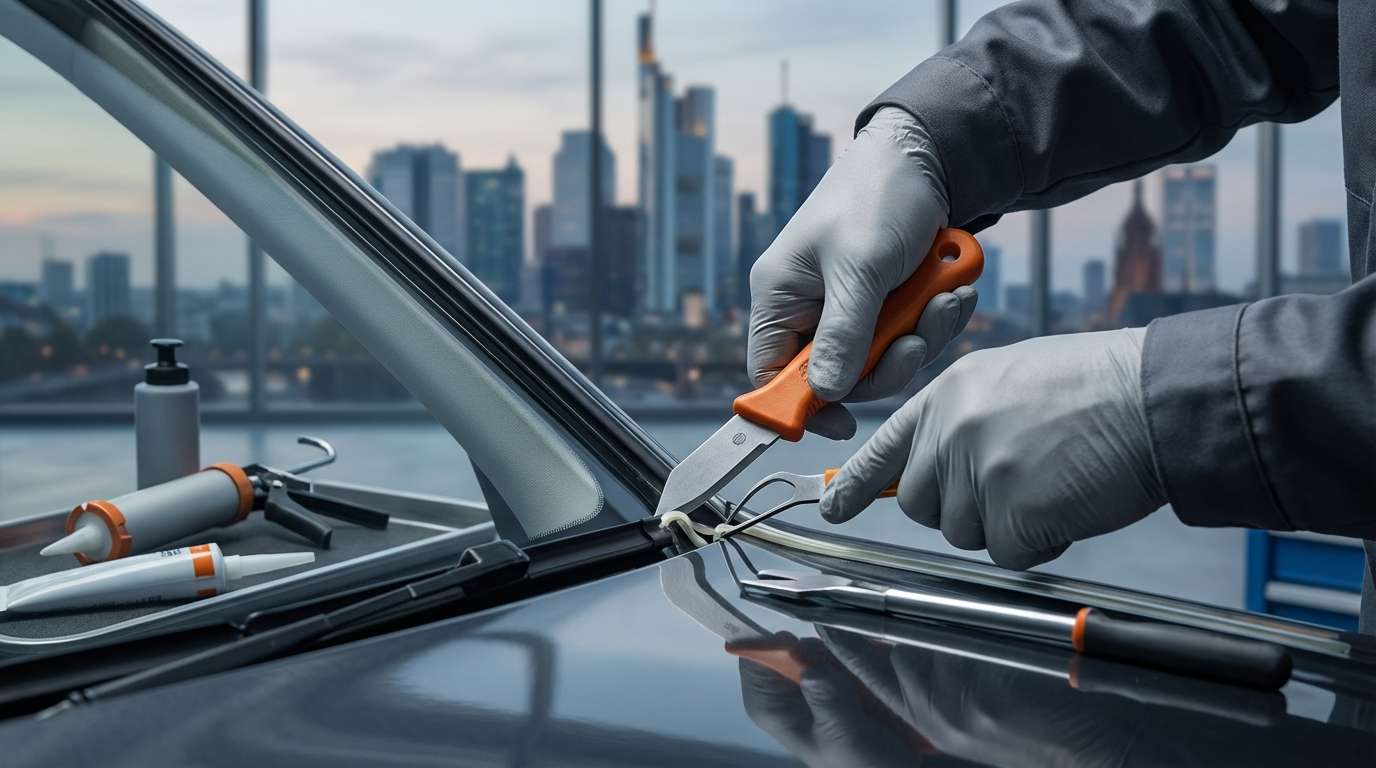
- The Cold Knife: Used for long, straight cuts along the pinch weld. Our experts use this to shave the old urethane level, ensuring a consistent surface planarity.
- Wire Cut-Outs: In tight corners or areas with delicate safety sensors, wire cutting is superior. It allows us to "floss" through the adhesive behind cowl clips and deep inside glass run channels without scratching the vehicle’s paint or breaking clips.
The Importance of a Flat Primer Application
Once the old glass is removed and the pinch weld is leveled, we apply a high-quality primer. Planarity is essential here. If the surface is jagged or uneven, the primer may pool or leave gaps, leading to rust formation or bond failure. A flat surface ensures the primer covers any exposed metal evenly, preventing corrosion and preparing the surface for the new adhesive.
The Perfect Urethane Bead and Structural Integrity
The final step before setting the glass is applying the urethane bead. Because we have taken the time to level the pinch weld, we can apply a "V-bead" or high-profile bead that stands tall and straight. When the new windshield is pressed onto this bead:
- It spreads evenly without air pockets.
- It creates a watertight seal immediately.
- It minimizes road noise and vibration.
Why Planarity Matters for ADAS Calibration
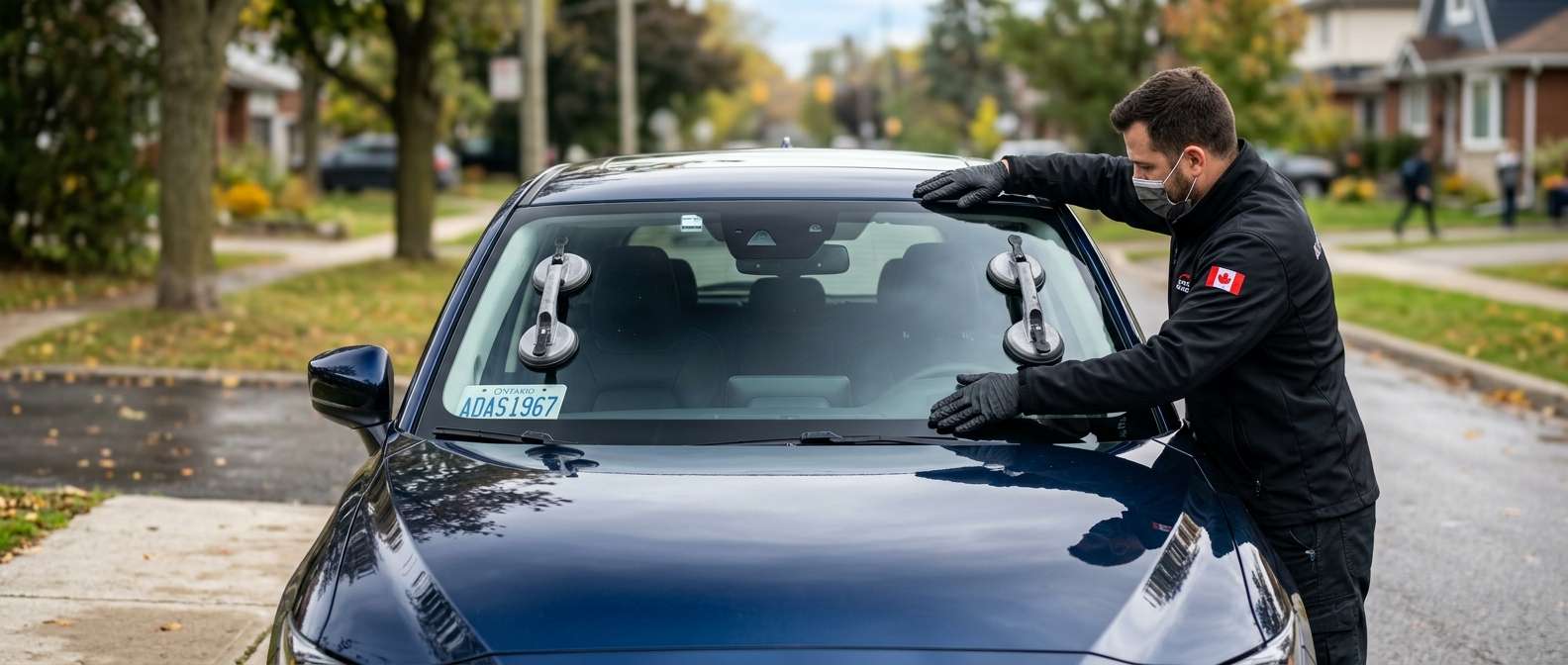
Modern vehicles are equipped with Advanced Driver Assistance Systems (ADAS). These safety sensors and cameras mount directly to the windshield. If the pinch weld is uneven, the windshield will sit at a slight angle—even a fraction of a degree off.
This misalignment can blind your safety systems. By ensuring absolute surface planarity, AlexWindshield ensures that your glass is positioned exactly to factory specifications, making the subsequent ADAS calibration accurate and reliable. A crooked windshield means crooked cameras, which compromises features like lane-keep assist and emergency braking.
Expert Mobile Service in the GTA
You do not need to visit a factory floor to get this level of precision. AlexWindshield brings this technical expertise to you. Our mobile service trucks are equipped with the lighting, leveling tools, and high-modulus urethane required to perform this delicate surgery on your car, wherever you are in the Greater Toronto Area.
Don't settle for a quick fix. Choose the experts who understand the engineering behind the glass. Trust AlexWindshield for a replacement that is safe, secure, and built to last.